
Knee pain that makes climbing stairs difficult, a shoulder that no longer moves comfortably or a fracture after an unexpected fall can affect much more than physical health. These problems can interrupt work, disturb sleep and make even simple daily activities challenging.
Finding the right orthopedic care is therefore an important decision. If you are searching for the best orthopedic hospital in Guntur, it helps to understand which treatments are available, the experience of the orthopedic specialist and the support offered during recovery.
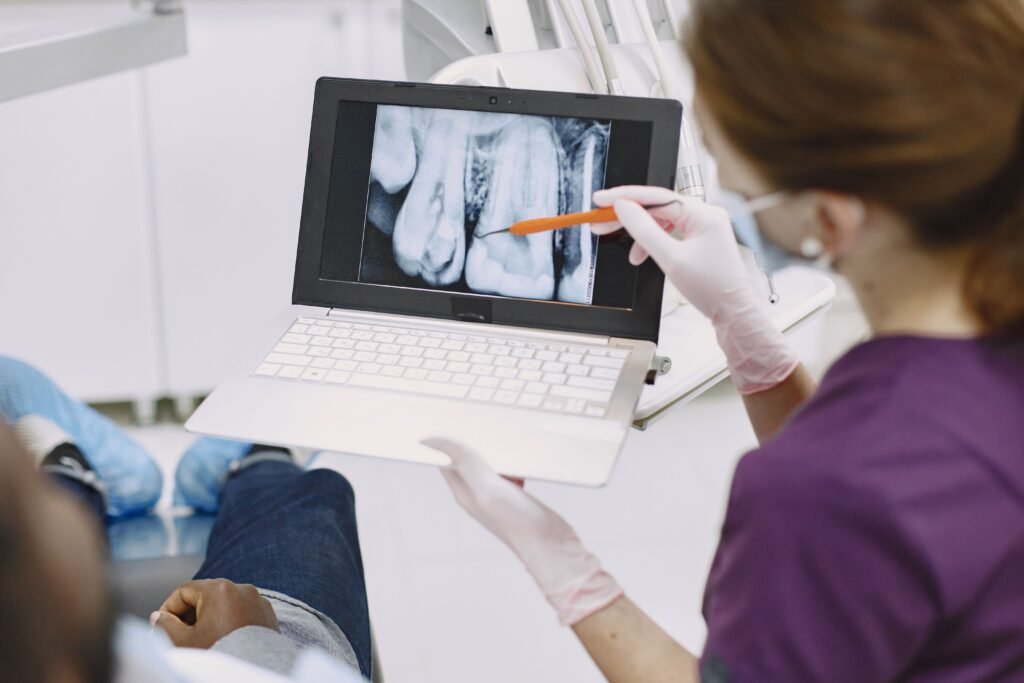
Orthopedic care focuses on the bones, joints, muscles, ligaments and tendons. Depending on the hospital’s specialities, treatment may be available for:
Knee problems: Arthritis, ligament injuries, cartilage damage and persistent knee pain.
Hip conditions: Hip arthritis, fractures and avascular necrosis.
Shoulder and elbow problems: Joint damage, stiffness and movement-related injuries.
Sports injuries: ACL injuries, meniscus tears and other ligament problems.
Fractures: Broken bones caused by falls, accidents or other injuries.
Joint degeneration: Conditions that gradually affect joint movement and function.
Treatment is not always surgical. Medication, physiotherapy, injections and other conservative approaches may be considered before surgery, depending on the diagnosis.
A hospital’s reputation is worth considering, but it should not be the only reason for choosing a treatment provider. Look at the following factors before making a decision.
Check the doctor’s qualifications, experience and area of specialisation. A patient considering knee replacement may need a surgeon with relevant joint replacement experience, while someone with a sports injury may require expertise in arthroscopy.
Proper diagnosis helps determine what is causing the pain or restricted movement. Ask about access to investigations such as X-rays, MRI scans and other tests when required.
A suitable orthopedic team should explain the available options, including non-surgical treatment where appropriate. Surgery should be recommended based on the patient’s condition and medical needs.
Recovery can take time, particularly after a major joint procedure. Physiotherapy, follow-up consultations and guidance on returning to normal activities are important parts of the treatment journey.
Before agreeing to a procedure, patients should understand its purpose, possible risks, expected recovery and alternative treatments. Do not hesitate to seek another medical opinion if you are unsure.
For people looking for an orthopedic hospital in Guntur, Happy Hospitals, also known as Shri Ramchandra Joint Replacement Centre, is one local option to explore.
Located in Kothapet, Guntur, the hospital provides orthopedic and joint-related care under Dr. Sivaiah Potla. His published professional profile describes experience in orthopedic surgery and joint reconstruction, including knee and hip replacement procedures.
The hospital’s published services include:
Knee and hip replacement
Shoulder and elbow replacement
Arthroscopy and sports injury treatment
Joint preservation procedures
Revision knee replacement
Computer-assisted and robotic joint replacement options
Non-surgical approaches for selected joint conditions
Not every treatment is suitable for every patient. The doctor can assess the condition and explain whether medication, rehabilitation, joint preservation or surgery is appropriate.
You can visit the Dr. Sivaiah Potla profile to learn more about his qualifications and specialisation.
Joint replacement is generally considered when significant joint damage causes persistent pain and limits everyday movement. For example, advanced knee or hip arthritis may make walking, standing and climbing stairs increasingly difficult.
However, replacement surgery is not automatically the next step for every patient with joint pain. Doctors usually consider symptoms, examination findings, imaging results, overall health and the response to other treatments before recommending a procedure.
Patients should ask about the expected benefits, possible complications, implant options and rehabilitation requirements before making a decision.
Do not wait until pain becomes unbearable. Consider arranging a consultation if you notice:
Joint pain that continues for several weeks.
Swelling or stiffness that affects movement.
Difficulty walking or bearing weight.
Repeated sports injuries.
Pain following a fall or accident.
Reduced strength or flexibility.
Joint discomfort that interferes with sleep or daily activities.
A suspected fracture, severe injury, visible deformity or sudden inability to bear weight needs prompt medical attention.
Choosing the best orthopedic hospital in Guntur means finding care that matches your condition, not simply choosing a name. Specialist experience, clear treatment advice and proper rehabilitation all matter. Happy Hospitals is one option for people seeking orthopedic and joint-related care in Guntur. Speak with a qualified orthopedic doctor to understand your diagnosis and make an informed decision about treatment.