
Electric vehicles (EVs) are changing the American automotive industry. Automakers are investing in battery technology, new vehicle designs and charging solutions as consumers explore alternatives to traditional petrol-powered cars. However, the transition to electric mobility is not happening at the same pace across the country.
The future of EVs in America will depend on several factors, including vehicle affordability, charging infrastructure, government policies and consumer confidence. While the industry has significant long-term potential, it must overcome practical challenges before electric cars become a mainstream choice for more households.
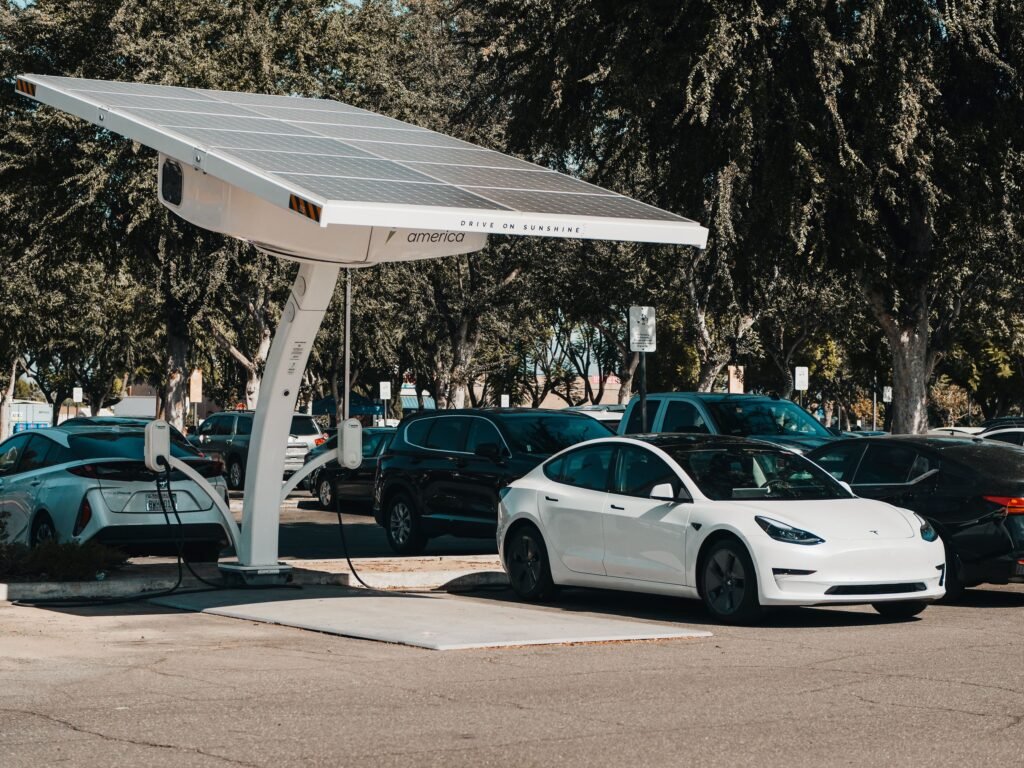
The US electric vehicle market has expanded considerably over the past decade, with more manufacturers introducing battery-powered cars, SUVs, pickups and commercial vehicles.
However, recent figures show that growth is not guaranteed. According to the Alliance for Automotive Innovation, EVs represented 7.9% of new US light-duty vehicle sales in the second quarter of 2026. The organisation also reported 161 electric models available in the American market.
These figures suggest that consumer interest and product availability remain important, even as sales face pressure from changing market conditions.
Several developments could support the next phase of electric vehicle adoption:
Improved battery technology: Better battery performance may increase driving range and reduce charging time.
Lower operating costs: Electric motors are generally more energy-efficient than conventional engines, potentially reducing everyday energy expenses.
More vehicle choices: A wider selection of electric SUVs, pickups and affordable models can appeal to different buyers.
Environmental awareness: Some consumers are considering EVs as part of efforts to reduce transport-related emissions.
Business investment: Fleet operators are exploring electric vehicles for suitable delivery and commercial applications.
Despite these opportunities, electric vehicles still face several obstacles in America.
1. High Purchase Prices
Many electric models remain expensive compared with conventional vehicles. Battery costs, manufacturing expenses and limited availability of lower-priced options can make buyers hesitate.
2. Charging Infrastructure
Charging access is not equally convenient everywhere. Drivers living in apartments or areas without home charging may depend heavily on public stations. Expanding reliable fast-charging networks will be important for wider adoption.
3. Battery Supply Chains
EV manufacturing depends on materials such as lithium, nickel and graphite. Securing reliable supplies, developing domestic processing capacity and managing production costs remain major industry priorities.
4. Changing Government Policies
Tax incentives, emissions rules and manufacturing policies can influence consumer demand and business investment. Changes in federal support have created uncertainty for automakers and buyers.
5. Consumer Concerns
Driving range, battery replacement costs, charging time and resale value continue to influence purchasing decisions. Manufacturers need to address these concerns through better products and clear information.
The American EV market is likely to develop unevenly. States with stronger charging networks and supportive local policies may see faster adoption, while other regions could take longer.
Automakers are also expected to focus on improving battery efficiency, offering more price options and making electric vehicles suitable for everyday driving needs. Hybrid vehicles may remain an important alternative for consumers who are not ready to switch fully to electric power.
For readers following the wider automotive and financial landscape, nyctrading us offers a place to explore market-related topics and developments that influence investment discussions.
Electric vehicles have an important place in America’s automotive future, but the transition will require more than new car models. Affordable pricing, dependable charging, stronger supply chains and consistent policies will help determine how quickly the industry grows. For automakers, investors and consumers, understanding these changes is essential as the market continues to evolve.