
Happy Hospitals focuses on helping active individuals understand the real reasons behind persistent joint pain. Many patients who exercise regularly, play sports, or maintain physically demanding lifestyles often ask, “Why does my hip hurt?” In active patients, hip pain is frequently misdiagnosed, leading to delayed recovery and ongoing discomfort. Identifying the correct cause is essential for effective treatment and long-term mobility.
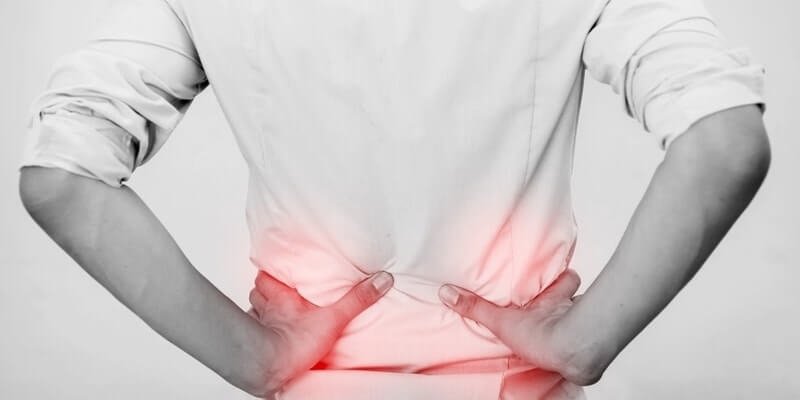
Hip Pain in Active Patients: Why Misdiagnosis Happens
Active individuals often ignore early warning signs or assume pain is a simple muscle strain. Repetitive movements, overtraining, and high-impact activities can mask underlying problems. Without proper evaluation at the Best orthopedic hospital in Guntur, hip pain may be treated incorrectly, allowing the condition to worsen over time.
Top Misdiagnoses of Hip Pain
1. Muscle Strain Instead of Ligament Injury
Many active patients believe their hip pain is due to a minor muscle pull. However, ligament injuries around the hip joint are common in sports and fitness-related activities. Treating a ligament tear as a simple strain can delay healing. Consulting a Ligament injury doctor in Guntur helps identify the true source of pain through proper clinical assessment.
2. Hip Joint Pain vs. Lower Back Problems
Hip pain is often mistaken as a joint issue when it actually originates from the lower back. Conditions like disc bulges or nerve compression can radiate pain to the hip and thigh. A thorough evaluation by a Back specialist in Tenali is essential to rule out spinal causes before starting treatment.
3. Tendinitis Misread as Arthritis
Inflammation of tendons due to overuse is common in runners and gym enthusiasts. Tendinitis can mimic arthritis symptoms such as stiffness and pain during movement. Accurate imaging and expert consultation with a Hip pain doctor in Guntur prevent unnecessary long-term medication for the wrong condition.
4. Bursitis Overlooked as General Joint Pain
Hip bursitis causes localized pain, especially during activity or while lying on one side. It is often overlooked and treated as generic joint pain, leading to recurring symptoms. Early diagnosis ensures faster relief and prevents chronic discomfort.
5. Stress Fractures Missed as Soft Tissue Injury
Active patients, especially endurance athletes, may develop stress fractures in the hip region. These are frequently misdiagnosed as soft tissue injuries. Delayed diagnosis can result in serious complications, sometimes requiring surgical care from an experienced orthopedic surgeon in Tenali.
Importance of Accurate Diagnosis
Proper diagnosis involves a detailed physical examination, activity analysis, and advanced imaging. Treating symptoms without identifying the root cause often leads to recurring pain. Patients searching for Pain management near me should ensure they choose a center that emphasizes accurate diagnosis and personalized care.
Role of Pain Management in Recovery
Effective pain management is not just about relief; it is about restoring function and preventing recurrence. A skilled Pain management specialist in Guntur combines medication, physiotherapy, lifestyle guidance, and interventional techniques to support active patients through recovery and safe return to activity.
When Should You Seek Expert Care?
If hip pain persists beyond a few days, worsens with activity, or limits performance, it is time to seek medical attention. Ignoring pain or continuing training can lead to long-term damage and extended recovery periods.Hip pain doctor in guntur
Conclusion
Hip pain in active patients is often misunderstood and misdiagnosed, leading to unnecessary suffering and delayed healing. Understanding the common misdiagnoses helps patients seek timely and appropriate care. Happy Hospitals provides comprehensive orthopedic and pain management services, ensuring accurate diagnosis and effective treatment. With expert care, active individuals can recover safely, prevent future injuries, and return to their routines with confidence.